
Could the secret to finding the best middle eastern restaurant lie not in the opulence of its decor, but in the precise temperature of its charcoal grill and the storied lineage of its ingredients? You have likely experienced the quiet frustration of a tourist trap where the Hummus lacks soul and the atmosphere feels like a hollow imitation of the Levant. It is easy to feel overwhelmed by the subtle differences between regional styles or the complexity of traditional beverage pairings like a potent Arak or a structured Lebanese wine.
We believe that a prestigious dining destination should reward your curiosity with more than just a meal; it should offer a transportive journey rooted in heritage. You will discover how to identify a truly authentic experience by focusing on the marriage of ancient techniques and curated regional flavors. We will guide you through the sensory details of a masterfully prepared Mixed Grill and the cultural nuances that turn a simple dinner into a memorable, immersive celebration of history and hospitality.
Key Takeaways
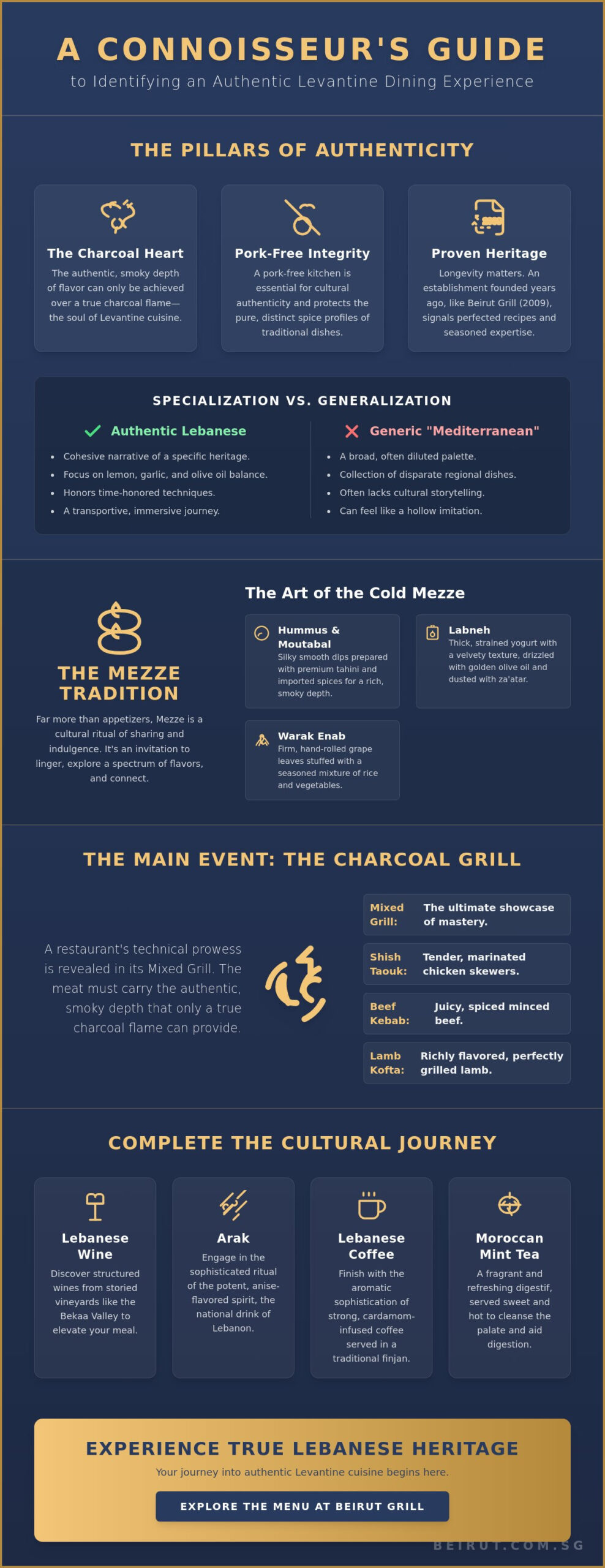
- Identify the best middle eastern restaurant by looking for a dedication to charcoal-fire techniques and the cultural integrity of a pork-free menu.
- Explore the communal mezze tradition to see how the silky textures of Hummus and Labneh reveal a kitchen’s commitment to heritage.
- Evaluate a restaurant’s technical prowess through its Mixed Grill, ensuring the meat carries the authentic, smoky depth only a true charcoal flame can provide.
- Elevate your dining experience by understanding the nuances of traditional pairings like Lebanese Wine and the sophisticated ritual of Arak.
- Learn to appreciate the full cultural journey by finishing your meal with the aromatic sophistication of Lebanese Coffee or Moroccan Mint Tea.
What Defines the Best Middle Eastern Restaurant in 2026?
In the vibrant culinary landscape of 2026, the search for the best middle eastern restaurant often begins with a desire for something beyond the superficial. It’s a quest for a sanctuary where the air is thick with the scent of smoldering charcoal and the hospitality feels like an ancient embrace. Authenticity is not a static concept. It is a delicate equilibrium maintained through the use of time-honored techniques, the procurement of premium imported ingredients, and the art of cultural storytelling that honors the provenance of every dish.
A restaurant’s founding year serves as a hallmark of its credibility. When an establishment has stood the test of time, such as Beirut Grill which has been a pillar of the community since 2009, it signals a seasoned expertise that transient fusion spots simply cannot replicate. This longevity ensures that the recipes haven’t just been followed; they’ve been perfected over decades of service. True mastery requires time. It demands a deep understanding of how a specific climate affects the texture of Labneh or how the smoke from natural wood enhances a Lamb Kofta.
Many diners confuse generic Mediterranean fare with the highly specialized nuances of Levantine cuisine. While the former might offer a broad, often diluted palette, a true Lebanese destination focuses on the intricate balance of lemon, garlic, and olive oil that defines the region’s soul. Finding the best middle eastern restaurant means looking for this specialization, where the menu isn’t a collection of disparate dishes but a cohesive narrative of a specific heritage.
The Pillar of Lebanese Heritage
Lebanese hospitality, or “Karam,” is the heartbeat of the dining experience. It is a philosophy that views the guest as a traveler to be honored with abundance and grace. A prestigious destination rewards your curiosity through sensory-rich language and elevated descriptors that paint a picture of the Bekaa Valley or the bustling streets of Beirut. The best middle eastern restaurant is defined as a destination that transports the guest through an evocative atmosphere and a narrative of place. The Mezze Tradition serves as the perfect introduction to this heritage, turning a simple meal into a ritual of sharing and indulgence.
The Importance of a Pork-Free Environment
Adhering to a pork-free menu is essential for maintaining the integrity of traditional Levantine flavors. It ensures the purity of the kitchen environment, allowing the natural juices of Beef Kebab and Shish Taouk to shine without the interference of non-traditional fats. This commitment to dietary standards is a defining characteristic of authentic Middle Eastern food in Singapore, where discerning guests seek out environments that respect the cultural and religious roots of the cuisine. By focusing on these traditional standards, a restaurant protects the clarity of its spice profiles and the authenticity of its heritage.
The Mezze Tradition: A Symphony of Cold and Hot Appetisers
To enter the best middle eastern restaurant is to surrender to the rhythm of the mezze table. It is far more than a mere collection of starters; it is a cultural ritual of sharing and indulgence that dates back centuries across the Levant. This sequence of small plates encourages guests to slow down, engage with their companions, and explore a vast spectrum of flavors before the main course even arrives. It is an invitation to linger over the table, where the conversation flows as freely as the olive oil.
A prestigious dining destination understands that the mezze course is a statement of intent. It showcases the kitchen’s mastery over texture and spice, proving that even the simplest ingredients can be elevated through heritage techniques. What Defines the Best Middle Eastern Restaurant often comes down to this commitment to foundational dishes, where every dip and salad is prepared with a reverence for tradition and a focus on sensory appeal.
The Art of the Cold Mezze
The cold mezze selection provides a cooling, velvety start to the meal. A truly authentic spread features Hummus and Moutabal prepared with premium tahini and imported spices to achieve a rich, smoky depth. The silky texture of Labneh, often drizzled with golden olive oil and a dusting of za’atar, contrasts beautifully with the firm, hand-rolled Warak Enab. These stuffed grape leaves, filled with a savory blend of rice, parsley, and aromatic herbs, offer a sophisticated burst of acidity. We recommend ordering a variety of dips to appreciate the subtle differences between the nutty, creamy chickpeas of Hummus and the charred, earthy eggplant of Baba Ghanoush.
Elevated Hot Mezze and Salads
As the meal progresses, the introduction of heat and crunch adds a new layer of complexity to the table. Authentic Mediterranean food in Singapore often finds its most vibrant expression in dishes like Batata Harra, where cubed potatoes are tossed in a pungent mix of chili, garlic, and fresh coriander. Sambousek and Fried Kibbeh provide a satisfying, golden-brown crust that yields to a heart of spiced fillings. Meanwhile, the zest of a freshly chopped Tabbouleh or the pomegranate-kissed crunch of a Fattoush salad serves as a vital palate cleanser. These salads balance the richness of items like Grilled Halloumi and Falafel, ensuring the palate remains refreshed for the grilled proteins to come.
For a group of four, we suggest selecting six to eight mezze plates to share. This allows for a diverse exploration of tastes without overwhelming the table before the grilled mains arrive. If you are ready to begin your culinary journey, discover our curated selection of traditional starters that honor these deep Levantine roots.
The Charcoal Grill: The Heart of Authentic Levantine Cuisine
The rhythmic crackle of fat hitting glowing embers is the true anthem of Levantine cooking. While many contemporary kitchens rely on the sterile convenience of gas, the best middle eastern restaurant preserves the prestigious, time-honored tradition of the natural charcoal flame. This isn’t merely a heat source; it’s a culinary art form that imparts a complex, smoky depth that gas simply cannot replicate. The smoke from natural wood acts as a seasoning in its own right, penetrating the fibers of the meat and creating a charred, caramelized exterior that locks in every drop of succulent juice.
Achieving this level of technical mastery requires a deep understanding of thermal dynamics and timing. A seasoned chef knows that the fire is a living thing, requiring constant attention to ensure the heat is intense enough to sear but controlled enough to preserve the integrity of the protein. This dedication to the charcoal grill is what distinguishes a specialized destination from a generic eatery. It’s a commitment to the sensory-rich experience that guests expect when they seek out a truly authentic journey through the flavors of the Levant.
Signature Meats: From Lamb Chops to Beef Kebab
True technical skill is most evident in the preparation of signature cuts like the Beirut Lamb Chops. These require precise temperature control to achieve a tender, melt-in-the-mouth texture while maintaining a robust, smoky crust. The Shish Taouk offers another test of the griller’s art; it must be charred on the outside to provide that characteristic zest, yet remain remarkably succulent within. This balance is achieved through secret marinades and the judicious use of traditional spices such as sumac and za’atar. These ingredients don’t just add flavor; they react with the heat of the charcoal to create an aromatic profile that is both earthy and bright. Whether it is a perfectly spiced Lamb Kofta or a robust Beef Kebab, each skewer tells a story of heritage and technique. This focus on premium, correctly prepared meat is a hallmark of quality dining; for example, you can discover Halal Friends Burgers & Milkshakes to see how 100% halal standards are applied to the art of the gourmet burger.
The Complexity of the Mixed Grill
The Mixed Grill serves as the ultimate showcase of a restaurant’s breadth and expertise. It is a curated platter designed to offer a symphony of textures and tastes, moving from the richness of red meats to the delicate char of poultry. For those seeking to expand their palate, the inclusion of seafood such as Grilled Prawns and Fish Fillets adds a sophisticated layer to the meal. These items require a gentler touch on the grill, proving the chef’s versatility. There is a specific visual and aromatic theatre when a charcoal-grilled platter arrives at the table, wreathed in fragrant steam and shimmering with natural oils. It is a moment of indulgence that rewards the guest’s curiosity and sets the stage for a truly memorable dining experience.
Beyond the Main Course: Evaluating the Beverage and Dessert Program
A truly immersive culinary journey doesn’t conclude with the final bite of a kebab. The best middle eastern restaurant distinguishes itself by a beverage and dessert program that acts as a sophisticated curator of regional culture. This stage of the meal is a deliberate, atmospheric transition designed to slow the reader down and encourage a lingering appreciation of the surroundings. A prestigious destination rewards your curiosity by offering imported labels and traditional recipes that provide a geographic anchor for the palate, ensuring every sip and spoonful is rooted in heritage.
Evaluating a restaurant’s commitment to authenticity often requires a glance at their liquid offerings. It’s not merely about variety; it’s about the presence of prestigious regional producers that signify a deep connection to the Levant. When an establishment takes pride in its selection of imported Lebanese Wine and artisanal spirits, it projects a persona of seasoned expertise and reliability. This attention to detail transforms a simple dinner into a high-status cultural experience that honors the guest’s desire for an authentic journey.
Lebanese Wine and Arak: A Connoisseur’s Choice
Sourcing wines from the sun-drenched, high-altitude vineyards of the Bekaa Valley is a hallmark of a refined host. These labels carry a legacy of viticulture that spans millennia, offering a structural complexity that pairs beautifully with the smoky notes of a charcoal-grilled Mixed Grill. For a more traditional palate cleanser, one must look for Arak. Known affectionately as “Lion’s Milk” for the way it turns a milky, crystalline white when diluted with water and ice, this anise-scented spirit is the quintessential accompaniment to a long mezze service. It’s a potent, refreshing ritual that prepares the senses for the rich proteins and sweet delicacies to follow.
The Sweet Finale: Kunefe and Baklava
The dessert course offers a floral, honeyed conclusion to the sensory journey. Kunefe stands as the crowning achievement of this phase, providing a masterful contrast of textures. Its base of warm, melted cheese is encased in a layer of crispy, golden pastry and finished with a generous drizzle of orange blossom syrup. You can explore the storied lineage of this dish in the ultimate guide to Kunafa, which details why it remains the region’s most iconic sweet. For those seeking a different kind of indulgence, the flaky, nut-filled layers of Baklava or the silky, milk-based Mouhalabieh provide an essential finish to the meal.
The final digestive phase is marked by the arrival of Moroccan Mint Tea or a cup of thick, cardamom-scented Lebanese Coffee. These beverages aren’t just drinks; they are symbols of hospitality that encourage guests to savor the moment. If you’re ready to experience this level of curated indulgence, reserve your table at our prestigious destination and discover the true depth of Levantine tradition.
Beirut Grill: A Prestigious Destination for Lebanese Heritage
Since its founding in 2009, Beirut Grill has stood as a prestigious destination where the culinary arts of Lebanon are preserved with meticulous care. It’s not just a place to eat; it’s a sanctuary of heritage that has earned its reputation as the best middle eastern restaurant for those who value authenticity over artifice. By anchoring every dish in a deep sense of place, the brand serves as a knowledgeable host, inviting guests to step out of the urban bustle and into a world defined by the fragrant smoke of natural charcoal and the warmth of genuine hospitality. This longevity in the industry serves as a hallmark of credibility, projecting a persona of reliability and seasoned expertise that rewards the visitor’s curiosity.
The physical environment is carefully curated to act as a scenic stage for your dining journey. From the moment you arrive, the atmosphere is designed to slow you down, allowing the sensory-rich language of the menu and the evocative decor to transport you to the heart of the Levant. Whether you are hosting a high-stakes corporate dinner or an intimate feast with loved ones, the professional authority of the staff ensures an experience that feels both exclusive and welcoming. This balance of refinement and accessibility is the hallmark of an establishment that understands its role as a curator of authentic culture rather than just a provider of food.
A Legacy of Authentic Hospitality
The spirit of Lebanese hospitality is woven into the very fabric of the establishment. It’s a commitment that goes beyond the kitchen, manifesting in a service style that treats every visitor as a guest of honor. This dedication to the guest’s comfort is what makes Beirut Grill a primary choice for an authentic cultural journey. The environment rewards your curiosity, offering a narrative of provenance that explains the regional geographic markers of our ingredients. Every detail, from our founding year to the naming of prestigious regional producers on our wine list, serves to reinforce our role as a refined host in a specific urban setting.
The Signature Mixed Grill Experience
The Mixed Grill at Beirut Grill is often cited as the definitive standard for charcoal-grilled excellence. It represents the pinnacle of our technical mastery, where Lamb Kofta, Shish Taouk, and Beef Kebab are prepared with a reverence for the natural flame. This platter is an invitation to indulge in the breadth of our culinary offerings, rewarding the palate with a symphony of textures and smoky depths. We invite you to experience the evocative allure of Lebanese heritage firsthand. Discover why our commitment to traditional techniques and imported ingredients continues to set the standard for a truly immersive and memorable dining experience.
Embark on Your Authentic Levantine Journey
Finding a dining experience that transcends the ordinary requires an eye for detail and a deep respect for history. You now understand that a truly authentic destination is defined by its commitment to the natural charcoal flame and the intricate rituals of the communal table. From the velvety textures of hand-crafted mezze to the smoky depth of a masterfully seared Mixed Grill, every element should tell a story of regional provenance. This technical precision, paired with a curated selection of Lebanese Wine and the ritual of Arak, distinguishes a prestigious establishment from a mere eatery. True mastery demands patience.
As you seek out the best middle eastern restaurant, look for the hallmarks of longevity and specialized expertise. Since its founding in 2009, Beirut Grill has remained a dedicated curator of these ancient traditions, offering an environment where heritage is honored in every bite. We invite you to experience the finest Lebanese heritage at Beirut Grill and indulge in a sensory journey that rewards your curiosity. We’re looking forward to welcoming you to our table for a meal that celebrates the timeless spirit of Levantine hospitality.
Frequently Asked Questions
What makes a Middle Eastern restaurant “authentic” rather than just a fusion spot?
Authenticity is defined by a steadfast commitment to ancestral techniques and a refusal to compromise on regional ingredients. To be the best middle eastern restaurant, an establishment must prioritize charcoal-fire cooking over modern gas shortcuts. It’s about the lineage of the recipes and the presence of specific Levantine markers like sumac or pomegranate molasses that haven’t been diluted for a generic, fusion-focused palate.
How much variety should I expect in a traditional Middle Eastern Mixed Grill?
A traditional Mixed Grill should offer a curated symphony of proteins that showcase the chef’s technical range. You should expect a robust selection including succulent Shish Taouk, spiced Lamb Kofta, and tender Beef Kebab. A prestigious platter often features signature items like Beirut Lamb Chops, all carrying the unmistakable smoky depth that only a natural charcoal flame can provide to the meat.
Is Middle Eastern food always pork-free in prestigious establishments?
Prestigious establishments strictly adhere to a pork-free menu to preserve the cultural and culinary integrity of the Levant. This focus ensures that the kitchen environment remains pure, allowing the natural juices of the lamb and beef to define the flavor profile. By excluding pork, a restaurant honors the traditional dietary standards that have shaped Middle Eastern hospitality and cuisine for many centuries.
What is the significance of Arak in a traditional Lebanese meal?
Arak is the quintessential anise-scented spirit of the Levant, often called “Lion’s Milk” for its cloudy appearance when mixed with water. It serves as a potent palate cleanser, cutting through the richness of mezze like Hummus or Fried Kibbeh. Sipping Arak is a deliberate ritual that encourages guests to slow down and savor the communal experience of a long, indulgent and transportive meal.
How do I choose between Lebanese and other regional Middle Eastern wines?
Lebanese wines from the Bekaa Valley are prized for their high-altitude structure and their ability to complement robust, smoky flavors. While other regional wines exist, the heritage of Lebanese viticulture offers a specific complexity that pairs perfectly with a charcoal-grilled Mixed Grill. Choosing a label from a prestigious producer ensures your beverage program matches the high-status and sensory nature of the cuisine.
Can I find vegetarian options at a top-tier Middle Eastern grill restaurant?
Top-tier grills provide a sophisticated selection for non-meat eaters, including a dedicated Vegetarian Kebab. You’ll find a wealth of protein-rich options like Falafel, Grilled Halloumi, and Spinach Fatayer that are prepared with the same technical care as the meat dishes. These offerings ensure that every guest can participate fully in the immersive dining journey without sacrificing the authentic flavors of the heritage.
What is the best way to share mezze among a large group of diners?
Sharing mezze is a communal art form that thrives on a diverse selection of hot and cold plates. For a group of four, we recommend ordering six to eight different items, such as Baba Ghanoush, Tabbouleh, and Sambousek, to explore a full spectrum of textures. This approach allows the table to become a vibrant, sensory-rich stage where every diner can sample the breadth of expertise.
What dessert should I order to complete an authentic Middle Eastern feast?
Kunefe is the definitive choice for a floral and honeyed conclusion to your feast. This iconic dessert features a base of melted cheese encased in crispy pastry and drizzled with orange blossom syrup. If you prefer something different, the flaky layers of Baklava or the silky Mouhalabieh provide a refined sensory journey that honors the sweet heritage and the prestigious nature of the region’s culinary arts.